
6
What it does: These tools listen to doctor-patient conversations (or capture voice input) and automatically generate structured clinical notes and documentation. They integrate with Electronic Health Records (EHRs) to reduce the manual paperwork burden. Analytics Insight+3TechTarget+3Industry Wired+3
Why it matters: Administrative burden is one of the biggest drains on clinicians’ time—this technology helps free up face-to-face time with patients, reduces after-hours charting, and can improve documentation accuracy and completeness. Industry Wired+1
Watch-outs: Accuracy of transcription, correct capture of clinical nuance, potential errors in automatically generated notes, and ensuring data privacy/security (HIPAA compliance or equivalent).
2. IBM Watson Health

6
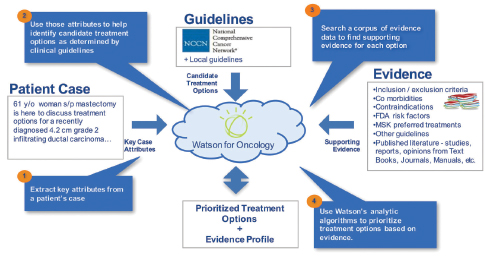
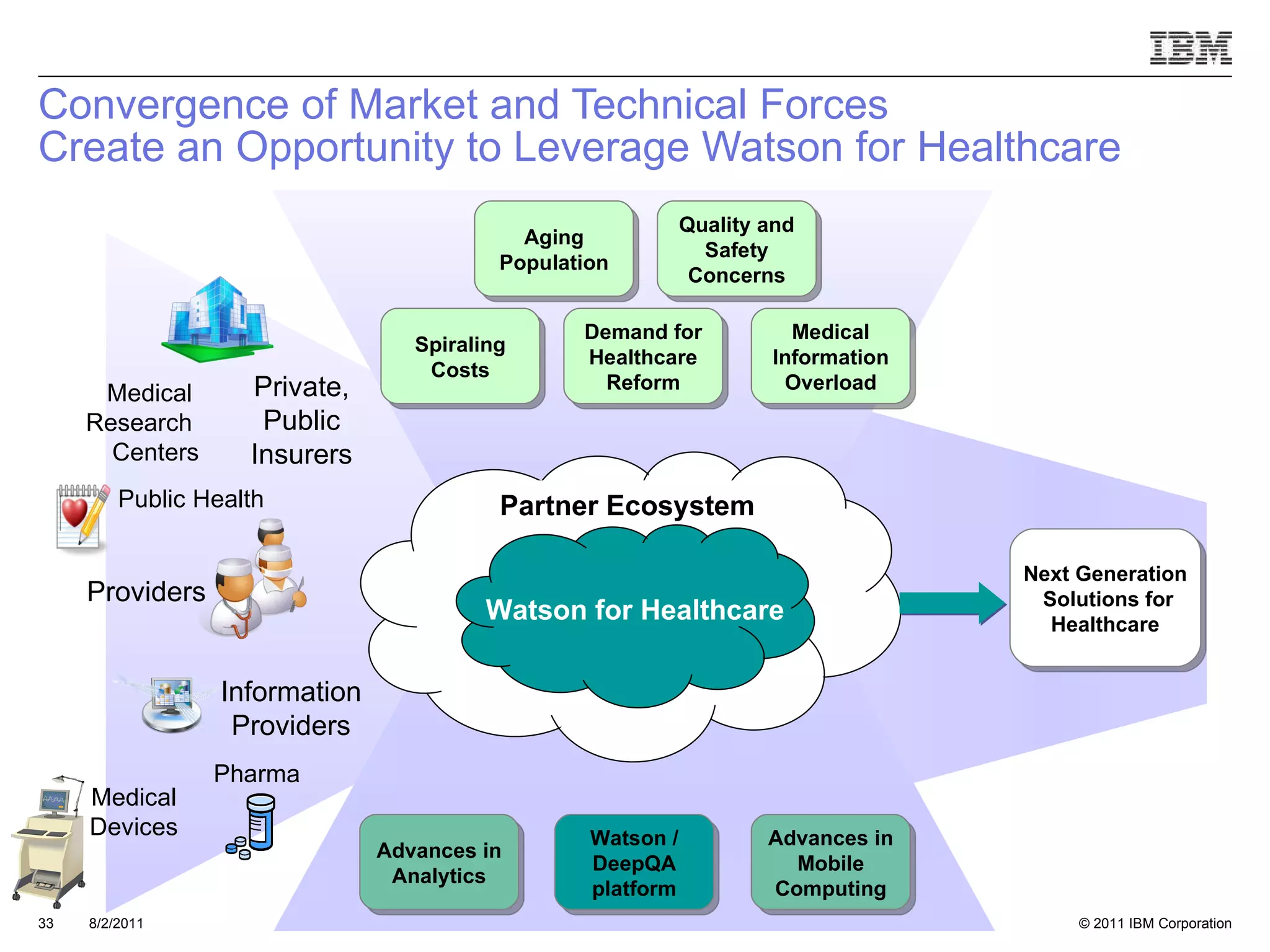
What it does: Watson Health uses natural language processing and large-scale data-analysis to help clinicians with diagnosis, treatment options, and reviewing medical literature. Industry Wired+1
Why it matters: Medicine is flooded with research and data. A tool like this can help doctors stay up-to-date and make evidence-based decisions faster.
Watch-outs: It’s a support tool—not a replacement for clinical judgment. Clinicians need to understand when to trust it and when to override it. Also: cost, integration with workflow, and validating local effectiveness.
3. PathAI


6
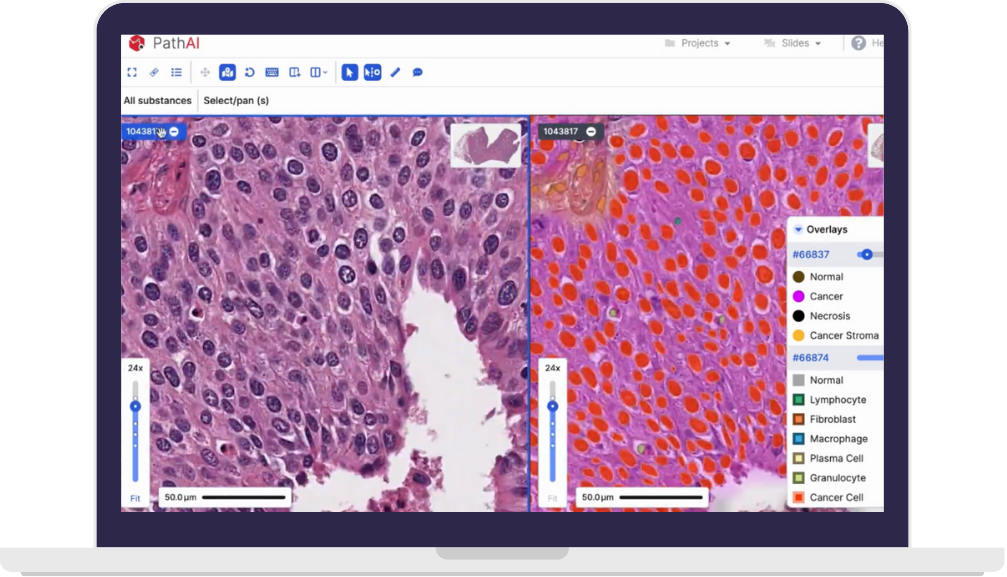
What it does: Uses machine-learning to analyse pathology slides (tissue biopsies) to detect cancers or other diseases, help pathologists with classification and diagnosis. AI Base News+1
Why it matters: Pathology diagnosis is complex and prone to variability. AI support can improve accuracy, reduce turnaround time, and help ensure patients get the right treatment earlier.
Watch-outs: AI output still needs pathologist oversight; you must ensure the tool is validated in the patient population; quality of slide scanning matters; regulatory/validation issues.
4. Aidoc


6
What it does: AI tool used by radiologists to analyse imaging (CT, MRI, X-ray) rapidly, flag urgent findings (e.g., stroke, bleeds, fractures) and prioritise cases. Analytics Insight+1
Why it matters: In emergency radiology, every minute counts. Aidoc helps accelerate diagnosis of high-risk conditions, improving patient outcomes and workflow efficiency.
Watch-outs: Integration into PACS/EMR workflow, false positives/negatives, ensuring human radiologist validation remains, cost and training.
5. Tempus

6
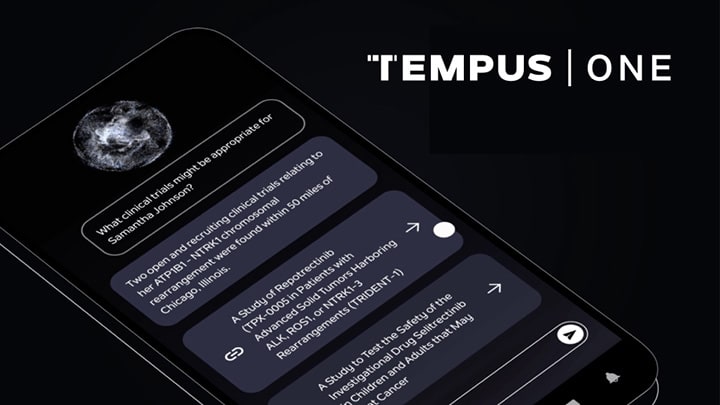
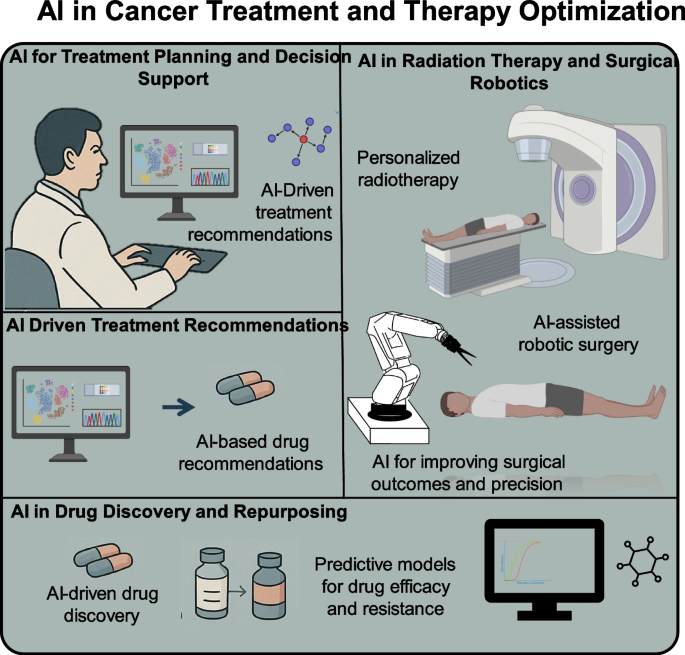
What it does: Uses AI to analyse genomic data, clinical data and molecular profiles to help oncologists tailor cancer treatments to the individual patient—precision medicine. BUHAVE+1
Why it matters: Cancer is heterogeneous; treatments may work only for some patients. By personalising therapy, doctors can pick treatments more likely to succeed and avoid ineffective side-effects.
Watch-outs: Genomic testing infrastructure is required, cost can be high, not all patients may have actionable variants, and the AI recommendations must be interpreted carefully by specialists.
Summary Table
| Tool | Use Case | Benefit | Key Consideration |
|---|---|---|---|
| Dragon Medical One / DAX Copilot | Documentation | Saves time, improves note quality | Accuracy & data privacy |
| IBM Watson Health | Clinical decision support | Evidence-based faster decisions | Integration & oversight |
| PathAI | Pathology diagnostics | Better accuracy, faster results | Validation in population |
| Aidoc | Radiology imaging analysis | Faster critical diagnosis | Workflow/integration & error management |
| Tempus | Precision oncology | Tailored cancer treatment | Cost, genomic access, specialist interpretation |






Leave a Reply