Introduction
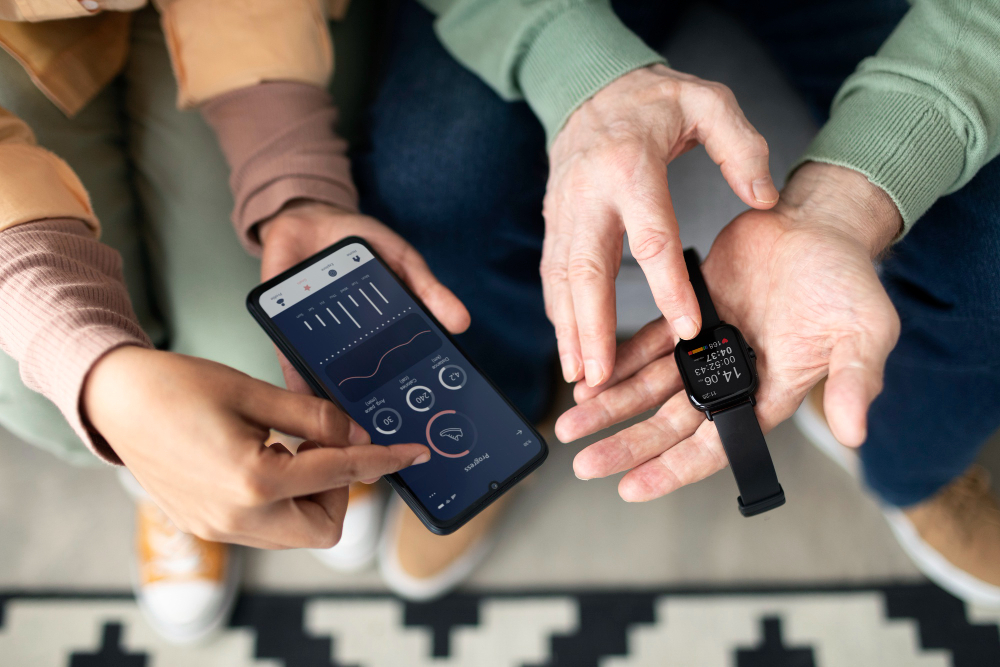
In an era where our phones, watches, and even rings can track everything from heart rate to sleep cycles, mental health monitoring has become the next frontier in wearable and smart technology.
Smart devices are no longer just about fitness—they’re evolving into powerful tools that can detect signs of stress, anxiety, depression, and burnout before we’re even aware of them. By combining physiological data with artificial intelligence (AI), these devices are helping both individuals and clinicians better understand the invisible patterns behind mental well-being.
But as technology peers deeper into our emotions, one question remains: Can devices truly understand the human mind—or only measure its symptoms?
1. From Fitness to Feelings: The Rise of Emotional Tech
Wearable devices began with simple step counters, but today’s gadgets offer a window into mental states.
Modern wearables—like the Apple Watch, Fitbit Sense, Garmin Venu, and Oura Ring—track physical signals that correlate with mental health, such as:
- Heart rate variability (HRV): A lower HRV is linked to stress and anxiety.
- Sleep patterns: Poor or irregular sleep often signals depression or burnout.
- Galvanic skin response (GSR): Measures subtle changes in sweat levels that indicate emotional arousal.
- Breathing rate and blood oxygen levels: Reflect physiological responses to emotional distress.
By analyzing these patterns, AI algorithms can detect deviations that may suggest psychological strain, sometimes days or weeks before symptoms become severe.
2. How AI Turns Data Into Emotional Insights
The true power behind mental health tracking isn’t the device itself—it’s the AI interpreting the data.
AI algorithms can analyze millions of data points from a single user, looking for subtle correlations between physiology, behavior, and emotion. For example:
- If your smartwatch detects reduced physical activity, irregular sleep, and increased heart rate, it may flag potential signs of depression.
- If your phone’s microphone and usage patterns indicate less social interaction and more late-night scrolling, it could suggest loneliness or anxiety.
- Machine learning models trained on large datasets can even predict mood fluctuations or stress triggers based on your routine.
This type of analysis is already being explored in digital therapeutics, where AI-powered tools deliver real-time interventions—like breathing exercises or mindfulness reminders—right when users need them most.
3. Leading Smart Devices for Mental Health Monitoring
A few companies are leading the charge in integrating mental health intelligence into consumer devices:
- Apple Watch (Mindfulness & Stress Tracking): Uses HRV and sleep data to detect stress patterns and offers breathing or reflection exercises.
- Fitbit Sense 2: Tracks electrodermal activity (EDA) and provides real-time stress management feedback.
- Oura Ring Gen 3: Measures sleep quality and readiness scores that correlate with mood and cognitive performance.
- Muse Headband: Uses EEG sensors to measure brainwave activity and provide guided meditation feedback.
- Emotiv Insight: A wearable EEG headset that helps monitor focus, engagement, and emotional states.
These devices don’t diagnose mental illness—but they’re helping users build awareness and resilience by visualizing their emotional rhythms.
4. Beyond Wearables: The Smartphone as a Mental Health Sensor
Smartphones themselves have become rich sources of behavioral data:
- Typing patterns, voice tone, and screen time can indicate mood changes.
- Apps like Mindstrong Health and Woebot use digital biomarkers and conversational AI to monitor cognitive and emotional health.
- Passive sensing—like tracking location, call frequency, or text tone—can offer insights into social withdrawal or emotional instability.
By integrating these insights into mental health platforms, clinicians can detect early warning signs and personalize care more effectively.
5. Benefits: Awareness, Early Detection, and Empowerment
The advantages of smart mental health monitoring are profound:
- Early intervention: Devices can alert users or clinicians to changes before a crisis develops.
- Personalized feedback: AI tailors mental wellness suggestions to individual habits.
- Destigmatization: Continuous tracking normalizes mental health as part of overall well-being.
- Empowerment: Users gain real-time insight into how their routines affect their minds.
In essence, these tools turn self-care into data-driven awareness, helping people take proactive steps toward balance and emotional stability.
6. The Privacy and Ethical Challenge
Despite their promise, these technologies raise serious privacy and ethical concerns:
- Sensitive data collection: Emotional and behavioral data is deeply personal and vulnerable to misuse.
- Algorithmic bias: AI models may misinterpret data across different demographics or health conditions.
- Overreliance on tech: Users may replace human support with devices, reducing real-world social connections.
Regulations like the GDPR in Europe and HIPAA in the U.S. aim to protect health data, but many mental health apps operate outside traditional healthcare frameworks. Transparency, consent, and secure data storage are essential to maintaining trust.
7. The Future of Mental Health Tech
The next generation of mental health wearables will combine biometric sensing, AI prediction, and personalized intervention. Some exciting directions include:
- Continuous emotion sensing: Using voice, facial expression, and biosignals for real-time emotional mapping.
- AI therapists: Chatbots like Woebot and Wysa offering cognitive behavioral therapy (CBT)-based support.
- Integration with medical care: Sharing anonymized data with doctors and therapists to guide treatment.
- Closed-loop systems: Devices that automatically suggest breathing exercises or relaxation when stress is detected.
In the near future, your smartwatch might not just count your steps—it could notice when you’re anxious and help calm you before you even recognize the feeling.
Conclusion
Smart devices are transforming the way we understand mental health—turning invisible emotions into measurable, actionable insights.
While they’ll never replace human empathy or professional care, their ability to monitor, predict, and support mental wellness represents one of the most meaningful advances in digital health.
As long as we balance innovation with privacy and compassion, the future of mental health technology will not just make us smarter—it will make us more self-aware, connected, and emotionally resilient.







Leave a Reply