


6
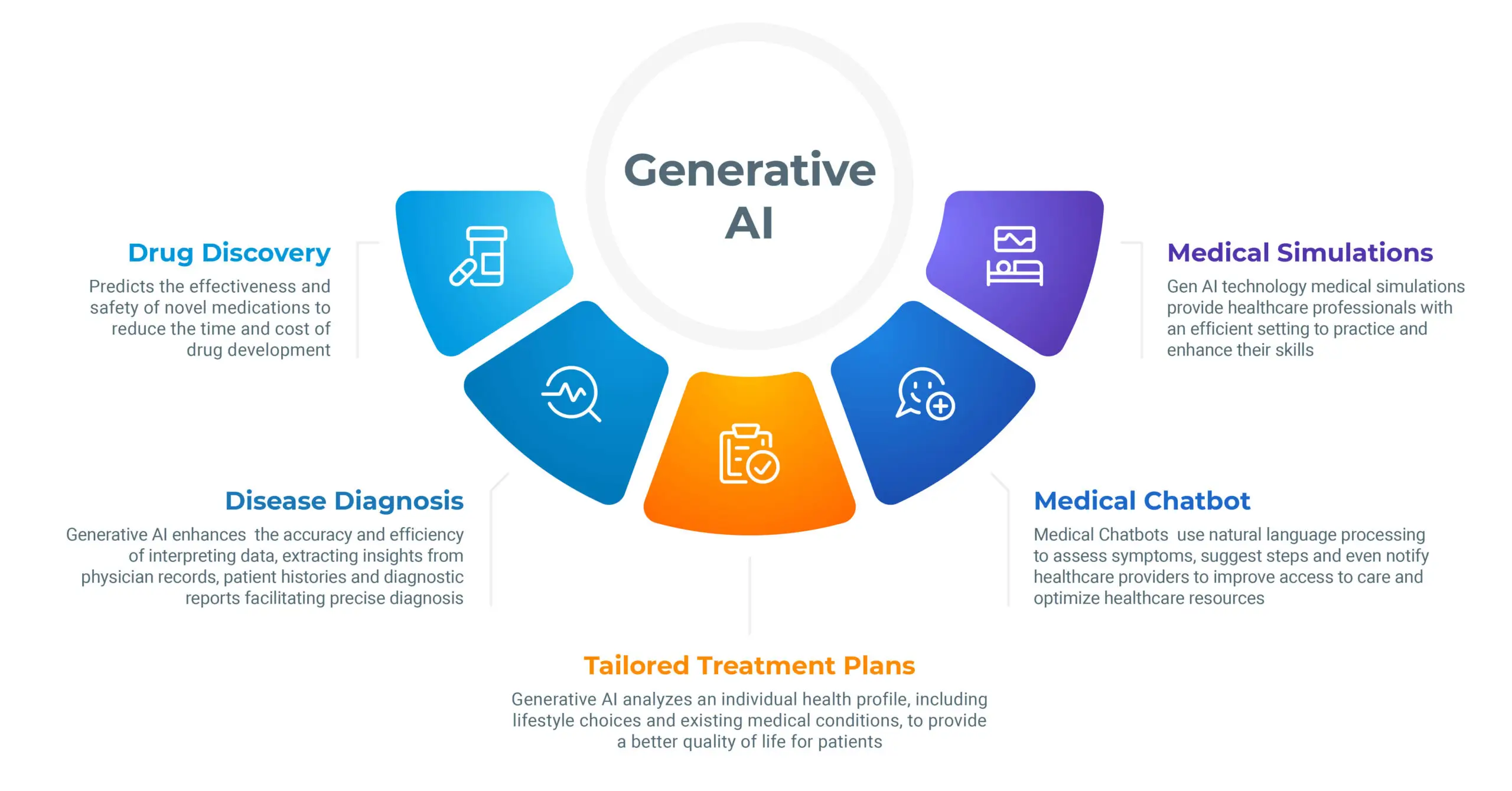
- Generative AI (large-language models, virtual assistants) is increasingly embedded in healthcare to automate administrative and clinical tasks: note-taking, discharge summaries, triage, etc. Philips+2E-sign+2
- Why it matters: Clinician time is scarce; reducing non-care work lets providers focus on patients.
- Watch-out: Accuracy, bias, regulatory compliance, and safe deployment.
2. Wearables, Remote Patient Monitoring (RPM) & IoMT

6
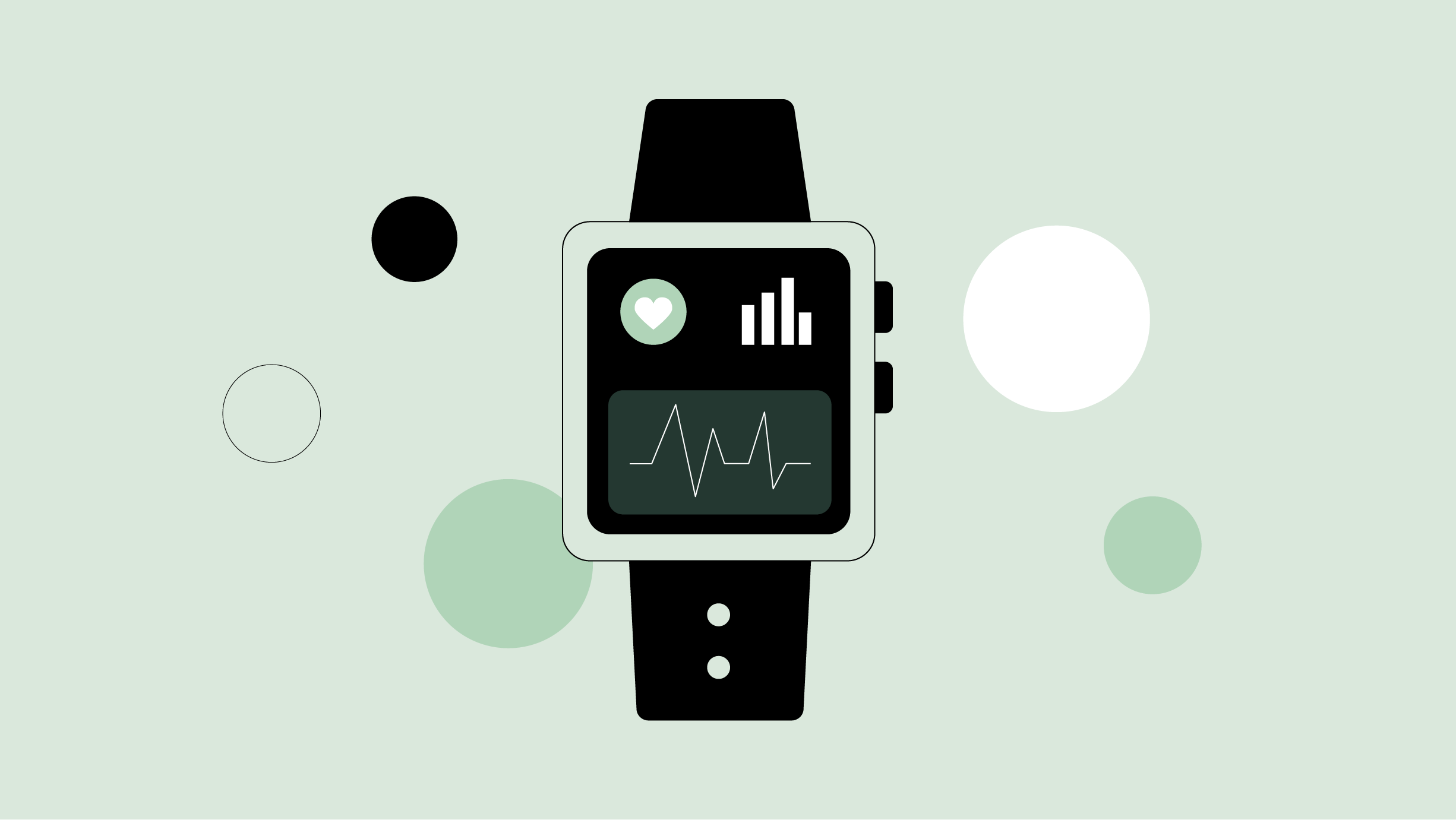
- Devices now monitor heart rate, sleep patterns, blood oxygen, other vitals continuously, and send data to clinicians or platforms. Trinetix+2Dochours+2
- Why it matters: Enables early detection, chronic-disease management, care outside hospitals.
- Watch-out: Data privacy, device accuracy, ensuring integration into clinical workflows.
3. Telemedicine & Virtual Care 2.0

6
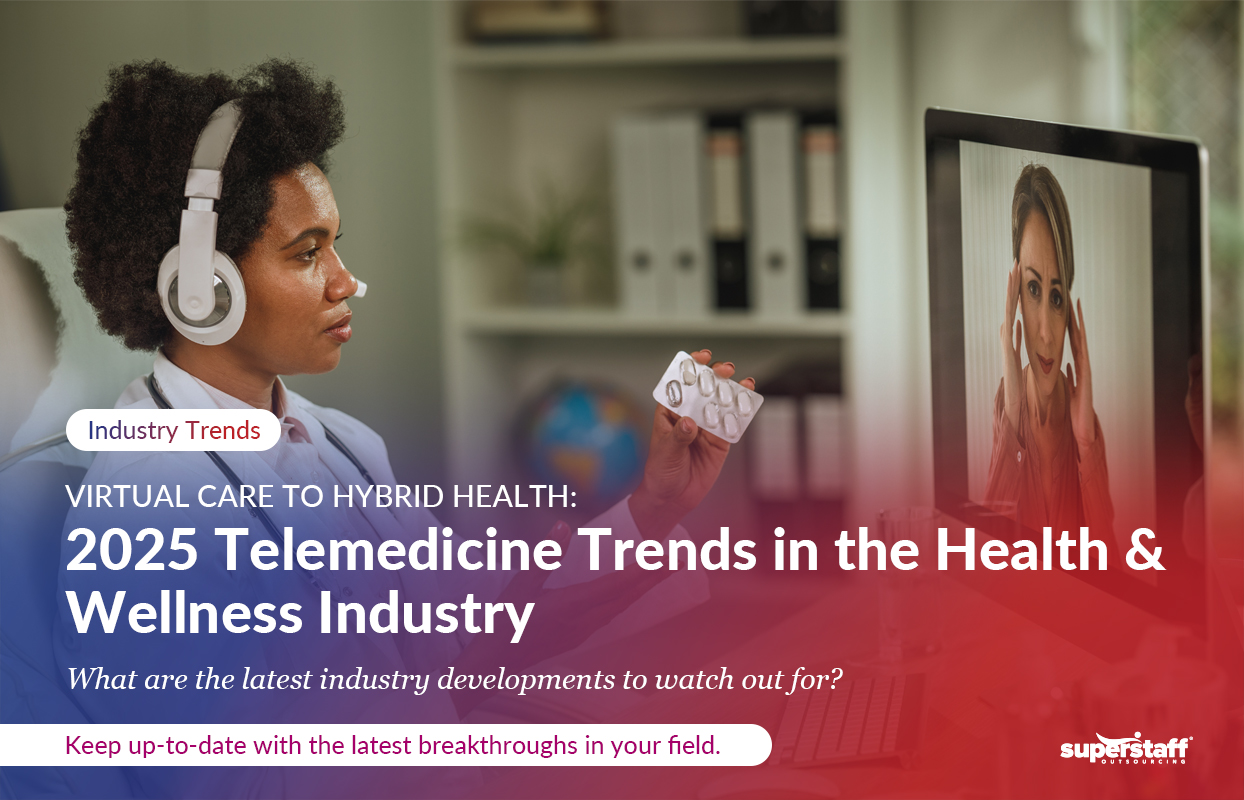
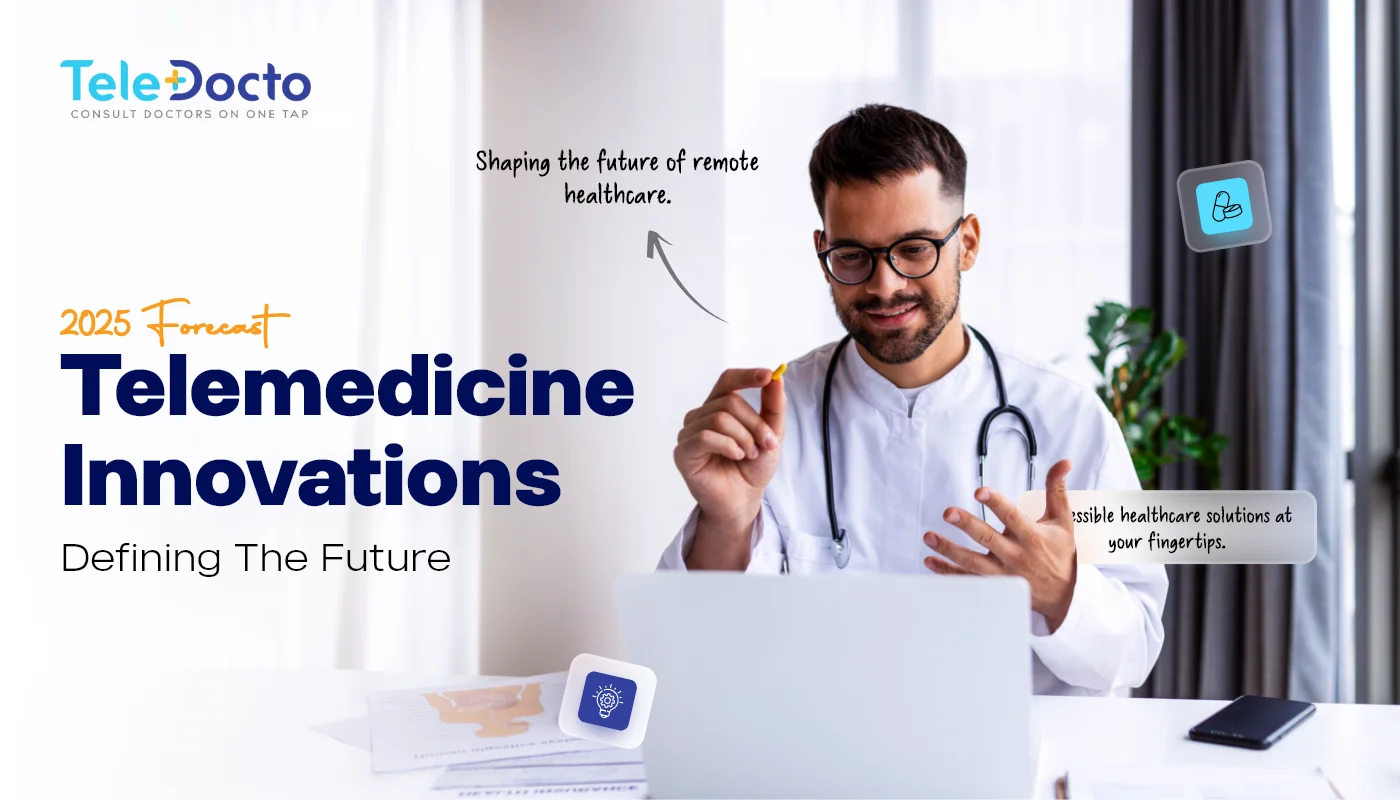
- Virtual care is evolving: not just video calls, but hybrid models, VR/AR consultations, integrated remote monitoring. gitexasia.com+1
- Why it matters: Access, convenience, reaching underserved regions.
- Watch-out: Reimbursement models, digital divide, ensuring quality of care.
4. Precision Medicine, Genomics & Personalized Wellness


6
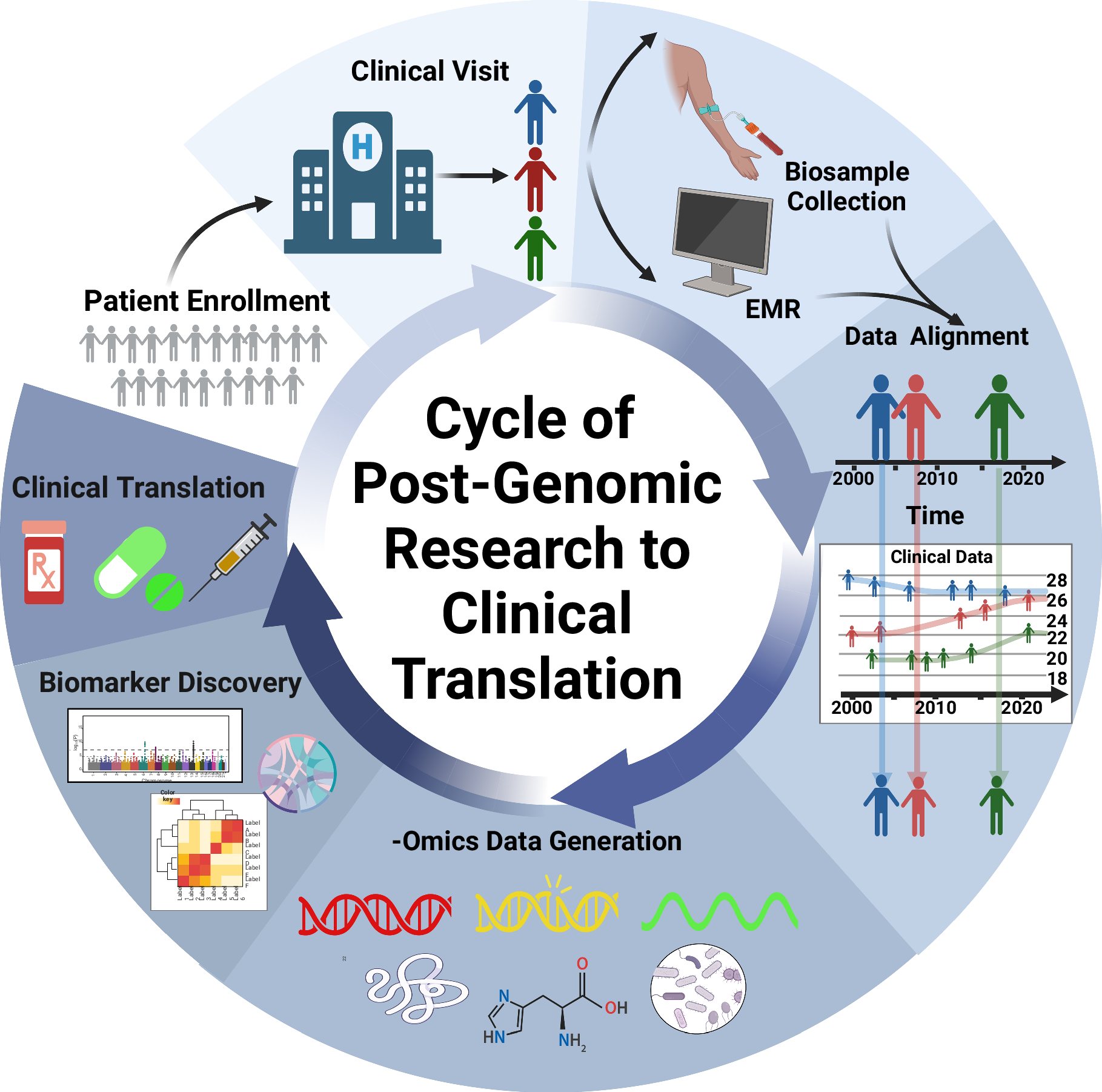
- The convergence of genomics, AI, and data enables treatments and health strategies tailored to an individual’s genetic profile. E-sign+1
- Why it matters: More effective treatments, fewer side-effects, preventive care.
- Watch-out: Ethical issues, cost, accessibility, interpretation of genetic data.
5. Healthcare Robotics & Automation


6
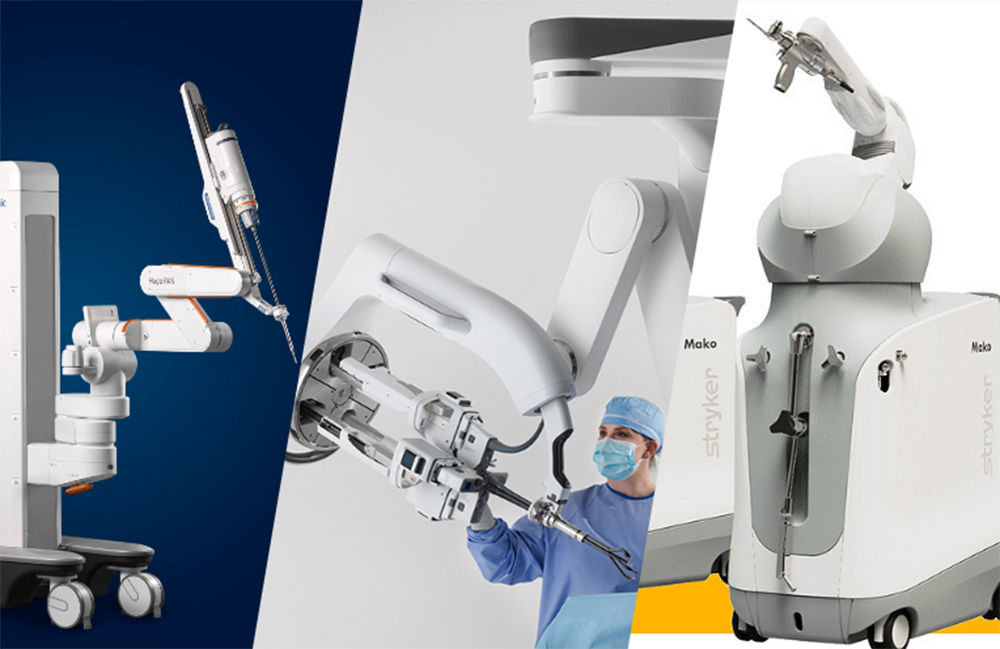
- Robots are performing more tasks: surgery assistance, logistical workflows, elder-care support. OpenUI+1
- Why it matters: Helps address staffing shortages, improve precision, reduce human error.
- Watch-out: Cost, training, acceptance, ensuring safety standards.
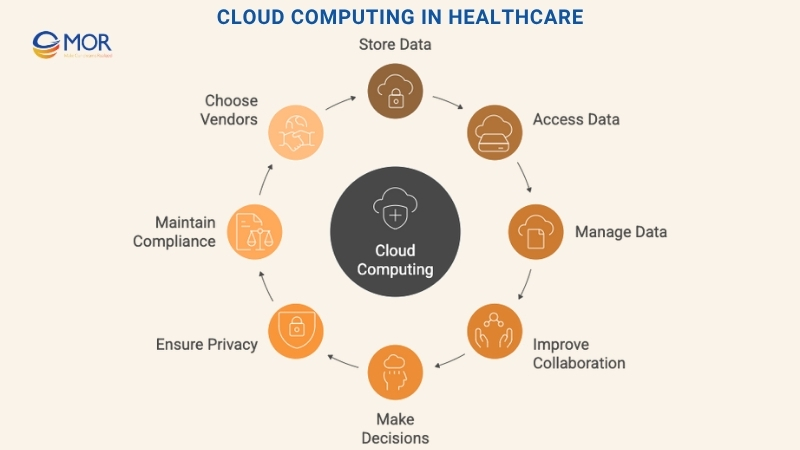
6. Interoperability, Data Sharing & Cloud Health Platforms
6
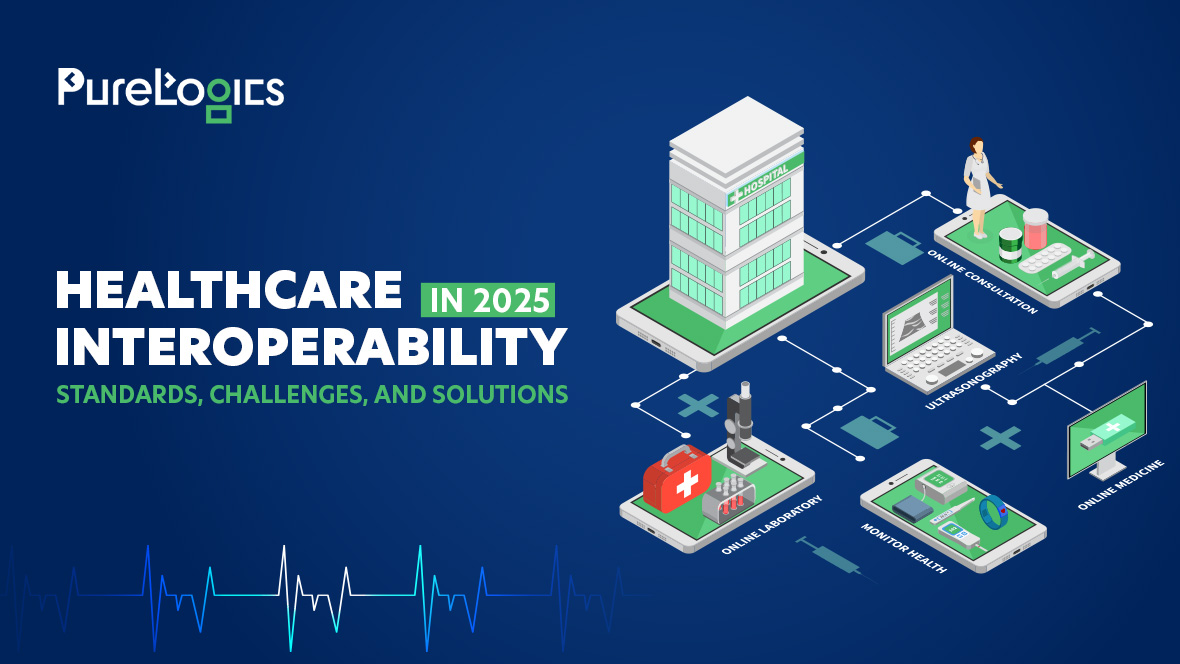
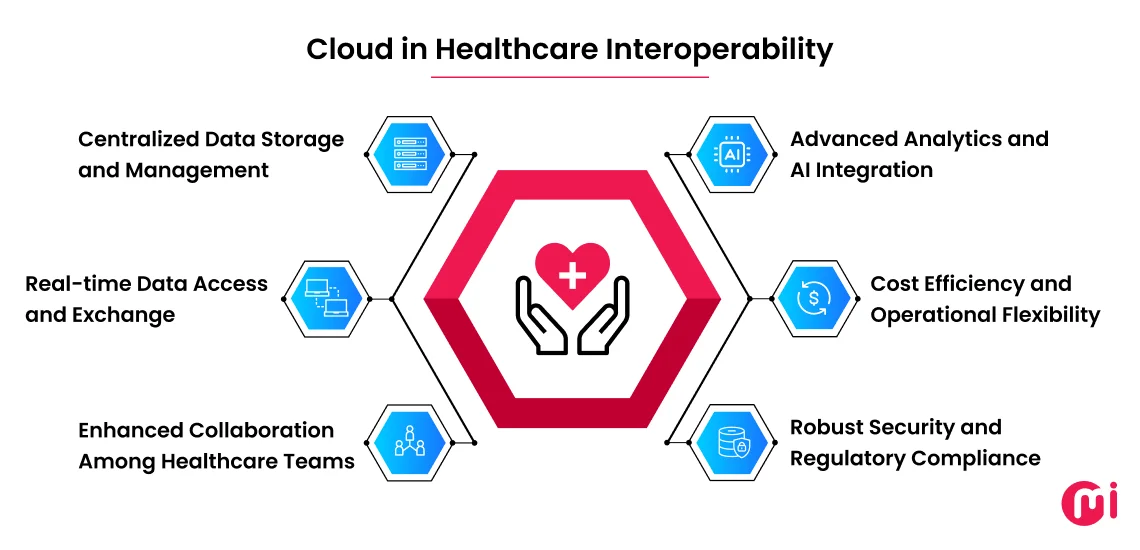
- Shared data, common standards (e.g., FHIR), and cloud-native architectures are becoming critical. Trinetix+1
- Why it matters: Enables holistic care, analytics, cross-provider coordination.
- Watch-out: Security, standardization, integration complexity.
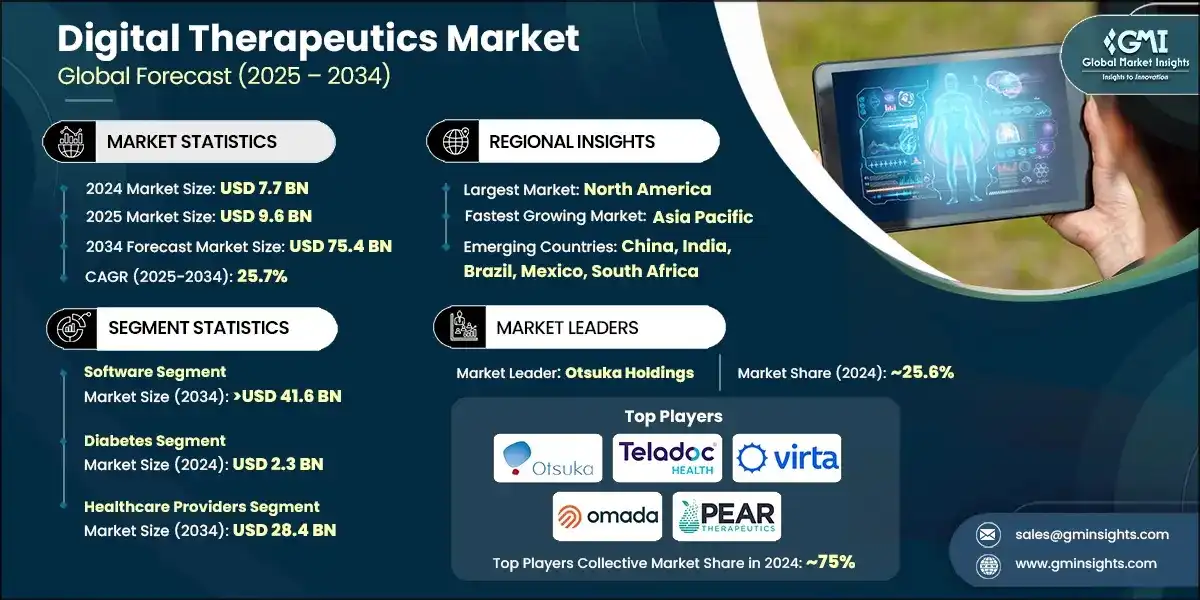
7. Digital Therapeutics (DTx) & Behavioral Health Tech


6
- Apps, VR/AR, and software are being used as therapies, especially for chronic conditions, mental health and habit change. gitexasia.com+1
- Why it matters: Scalable, lower-cost interventions; complements traditional medicine.
- Watch-out: Clinical validation, user engagement, regulatory pathways.
8. Sustainability & Environmental Health in Healthcare Tech


6
- Healthcare industry recognises its environmental footprint; tech is being leveraged to drive sustainability. Philips
- Why it matters: Aligns health & environment, future-proofs systems.
- Watch-out: Implementation cost, measuring impact, balancing tech vs sustainability.
9. Cybersecurity, Ethical AI & Trust-worthy Health Tech
6
- As healthcare becomes more digital, the risks—data breaches, black-box AI, bias—grow too. OpenUI
- Why it matters: Technology only helps if it’s trusted, secure and fair.
- Watch-out: Regulations, transparency, governance frameworks.
10. Consumer & Home Health Tech Integration
6
- Health-tech is moving beyond hospitals into homes: smart mirrors, IoT devices, integrated wellness ecosystems. The Verge
- Why it matters: Empowers individuals, preventive health culture.
- Watch-out: Data accuracy, consumer-medical boundary, ensuring meaningful integration.
🧭 Final Thoughts
These trends reflect a shift in healthcare from reactive care (treating disease) to proactive, integrated, digital, and personalized health. For 2025, the focus is less on “If” technology will transform healthcare—and more on “How fast,” “Who benefits,” and “Are we ready?”
If you like, I can pull together a regional breakdown (South Asia/Pakistan) of how these trends are manifesting locally, including startups, challenges and opportunities. Would you like that?







Leave a Reply