Introduction
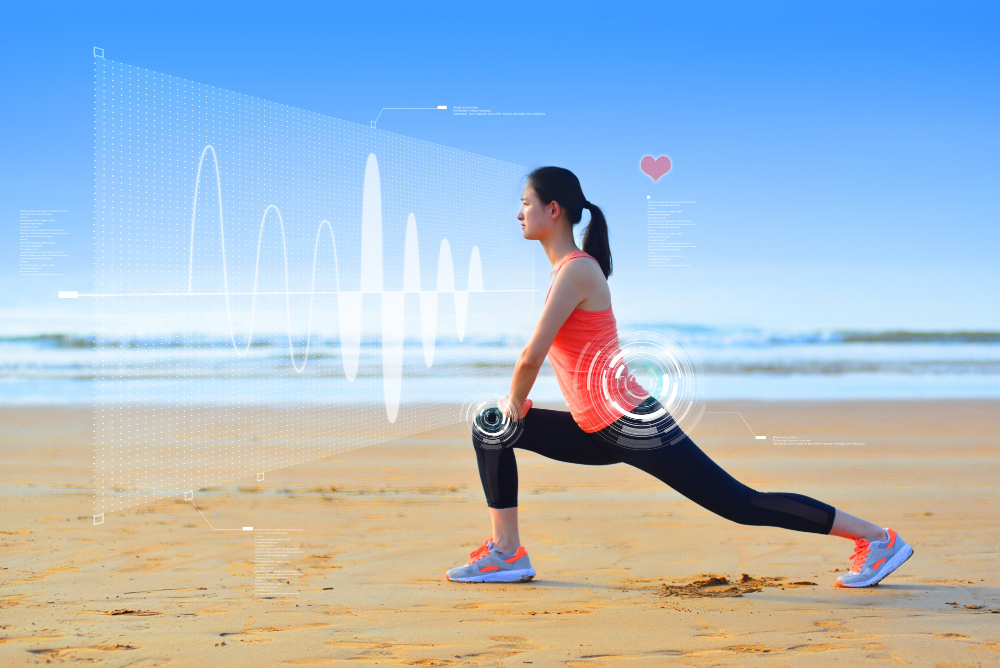
From smartwatches counting our steps to meditation apps guiding our minds, technology has woven itself into nearly every part of our well-being. The idea of “digital wellness”—using technology to improve physical and mental health—has become a defining trend of the modern era.
But as screens track, nudge, and notify us in the name of better living, a deeper question emerges:
Is technology actually making us healthier—or just more dependent?
1. What Is Digital Wellness?
Digital wellness refers to the balance between using technology to enhance health and ensuring it doesn’t overwhelm or harm our well-being.
It’s not just about limiting screen time—it’s about using digital tools intentionally to support better habits, self-awareness, and connection.
Core aspects of digital wellness include:
- Physical health: Activity tracking, sleep monitoring, nutrition logging.
- Mental health: Mindfulness apps, mood tracking, stress management.
- Social health: Maintaining meaningful connections online without succumbing to digital fatigue.
- Digital boundaries: Managing notifications, screen time, and online behavior to avoid burnout.
At its best, digital wellness empowers people to take control of their health—but without letting technology take control of them.
2. The Tech That’s Redefining Health
Over the past decade, a wave of smart technologies has transformed how we measure and manage our health:
- Wearable devices: Smartwatches, fitness bands, and rings track heart rate, steps, calories, and sleep.
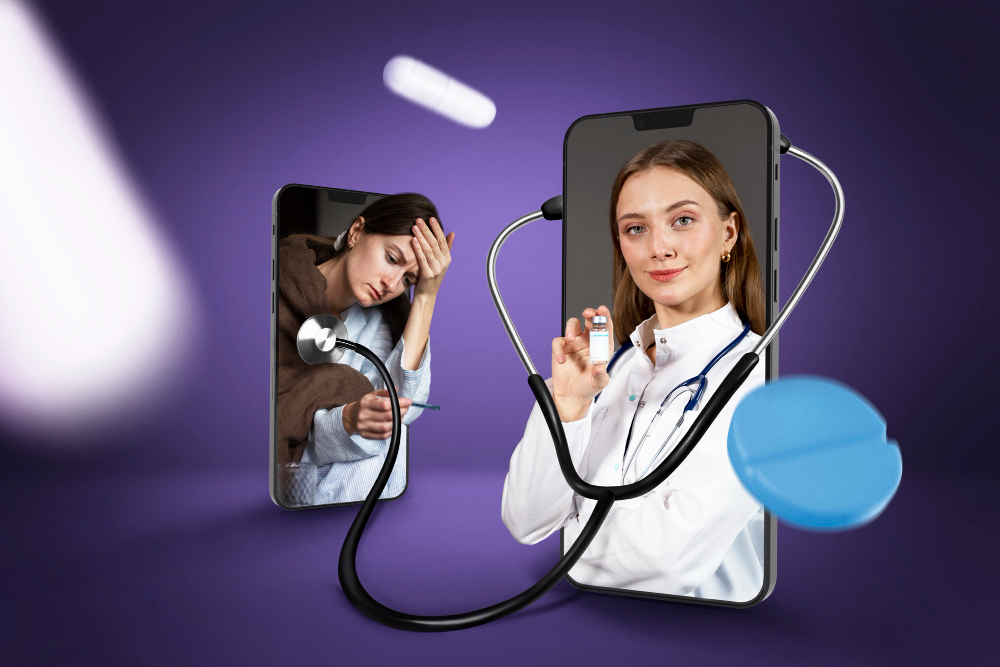
- Telehealth platforms: Connect patients to doctors remotely, expanding access to care.
- Health apps: Monitor diet, hydration, menstrual cycles, and mental health metrics.
- AI-driven diagnostics: Use data from wearables or medical records to predict health risks.
- Smart home tech: Devices like air purifiers, posture monitors, and sleep trackers optimize environmental wellness.
Together, these tools turn health into a real-time, data-driven experience, allowing people to make informed choices daily.
3. How Technology Supports Wellness
a. Awareness and Accountability
Digital tools turn invisible habits into visible data.
When you see your step count, heart rate, or stress level, it’s easier to take action. Studies show that people who use wearables are more likely to reach exercise goals and maintain consistent routines.
b. Personalization
AI-driven platforms can tailor health plans to your unique needs—whether it’s adjusting a workout, recommending meditation, or flagging sleep problems. Personalized insights help users stay motivated and consistent.
c. Access to Care
Telemedicine and mental health apps have democratized healthcare, reaching people who live in rural areas or can’t easily visit a doctor.
d. Behavioral Nudging
Notifications and reminders, when used wisely, can help users form better habits—like drinking more water, standing up regularly, or practicing mindfulness.
4. The Flip Side: When “Health Tech” Hurts Health
Ironically, the same tools that aim to help us can also harm our well-being if used excessively or mindlessly.
a. Data Overload and Anxiety
Constant self-tracking can trigger health anxiety—a phenomenon called orthosomnia (sleeplessness caused by obsessing over sleep scores).
b. Screen Time and Burnout
Excessive screen exposure is linked to eye strain, poor posture, and mental fatigue. Even health apps can become addictive when designed with endless notifications or “achievement” loops.
c. Privacy and Data Concerns
Health data collected by apps and wearables is often shared with third parties. Without clear regulation, users may be trading personal wellness for corporate insight.
d. The Illusion of Control
Relying too heavily on technology can lead to “outsourcing intuition”—trusting devices more than one’s own body signals. For example, someone may skip exercise because their smartwatch says they’ve “met their goal,” even if they still feel sedentary.
5. Finding the Balance: Healthy Tech Habits
Technology can be a force for wellness—if used mindfully. Here are some ways to find balance:
- Set intentional goals: Use data to inform, not dictate, your health choices.
- Schedule digital detox times: Turn off notifications or screens before bed.
- Prioritize quality over quantity: One app that works well is better than ten that distract you.
- Use “positive friction”: Apps that encourage reflection (like journaling or guided meditation) can slow down compulsive use.
- Focus on connection: Use technology to enhance real-life relationships, not replace them.
Ultimately, digital wellness isn’t about rejecting technology—it’s about redefining our relationship with it.
6. The Future of Digital Wellness
The next generation of wellness tech is moving toward holistic integration—combining physical, mental, and emotional insights into one ecosystem.
Emerging trends include:
- Emotion-sensing devices that detect stress or mood through voice and biometrics.
- AI health coaches that offer real-time personalized recommendations.
- Closed-loop wellness systems where smart environments (like lighting, temperature, and music) adapt to your emotional state.
- Ethical design that promotes digital balance rather than engagement addiction.
These advances suggest that the future of digital wellness will be less about tracking and more about understanding—helping users thrive, not just measure progress.
Conclusion
Technology is neither the hero nor the villain of our health story—it’s the tool.
Used mindfully, it can make us stronger, calmer, and more self-aware than ever before. Used carelessly, it can deepen stress and disconnection.
The key to digital wellness lies not in deleting our apps, but in reprogramming our habits—using technology to enhance humanity, not replace it.
In the end, being truly “healthy” in the digital age means mastering the balance between data and intuition, connection and solitude, online and offline.
Because the healthiest tech user isn’t the one who tracks everything—it’s the one who knows when to put the phone down.







Leave a Reply