Introduction
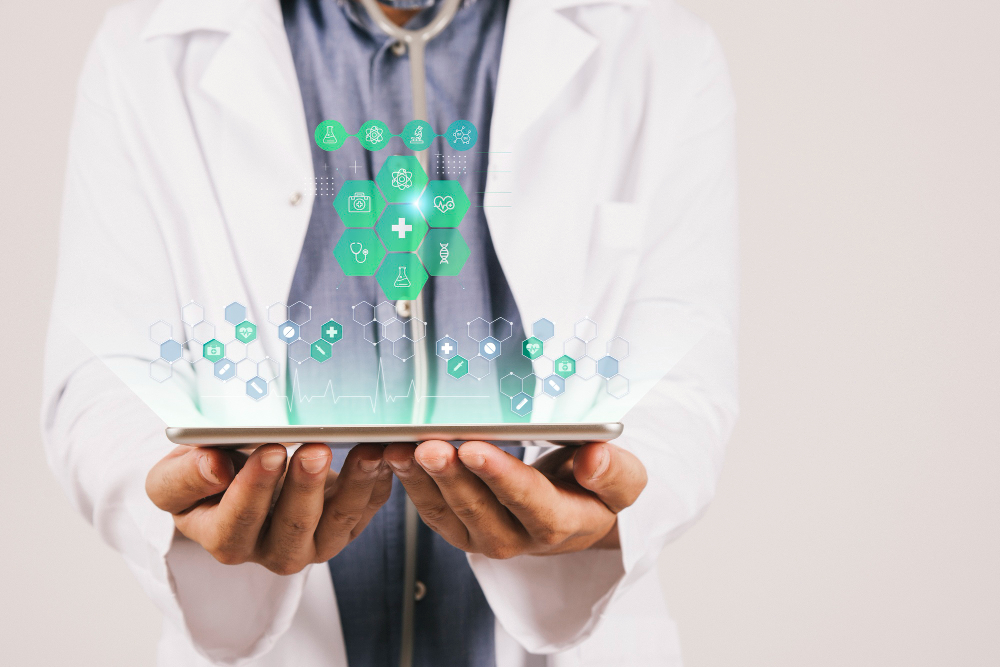
Artificial Intelligence (AI) is rapidly transforming the healthcare landscape. From streamlining administrative tasks to predicting patient outcomes, AI is reshaping how medical professionals diagnose and treat diseases. Among its most promising applications is medical diagnosis, where AI systems can analyze vast amounts of medical data with speed and precision that surpasses human capabilities.
1. AI and Diagnostic Accuracy
Modern diagnostic tools powered by AI—particularly machine learning and deep learning algorithms—can analyze complex medical images, genetic data, and electronic health records to identify patterns that even experienced clinicians might miss.
- Radiology: AI models trained on thousands of medical images can detect anomalies such as tumors, fractures, or infections with remarkable accuracy. For example, AI-driven systems can identify early-stage cancers in mammograms or lung scans faster and sometimes more precisely than human radiologists.
- Pathology: In digital pathology, AI assists in scanning tissue samples for abnormalities, expediting the detection of diseases like cancer or autoimmune disorders.
These technologies not only enhance diagnostic accuracy but also reduce human error and ensure consistent evaluations.
2. Personalized Medicine and Predictive Analytics
AI enables personalized healthcare by analyzing genetic, environmental, and lifestyle factors to predict disease risk and recommend tailored treatments. For example:
- AI algorithms can identify individuals at high risk of developing chronic diseases such as diabetes or cardiovascular conditions.
- Predictive models help clinicians customize treatment plans based on a patient’s unique biology, leading to improved outcomes and fewer side effects.
As more patient data becomes available, these models will continue to evolve, driving a shift from reactive care to preventive and precision medicine.
3. Real-Time Diagnostics and Wearable Technology
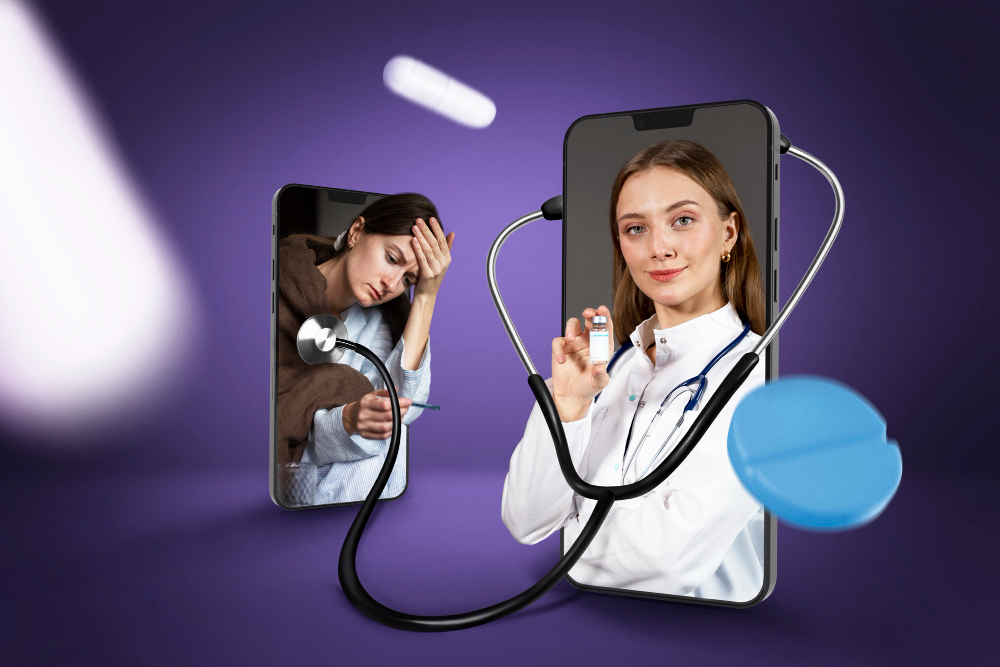
AI integration with wearable health devices—like smartwatches and biosensors—enables continuous monitoring of vital signs such as heart rate, oxygen levels, and glucose levels.
- Early detection of irregularities, such as arrhythmias or hypoglycemia, allows timely medical intervention.
- In emergency settings, AI-assisted diagnostics can analyze real-time patient data to support rapid clinical decisions.
This real-time insight is revolutionizing chronic disease management and empowering patients to take control of their own health.
4. Overcoming Challenges: Ethics, Privacy, and Trust
While AI holds immense promise, it also raises important challenges:
- Data Privacy: Protecting sensitive medical data from misuse or breaches remains a critical concern.
- Bias and Transparency: AI systems can inherit biases from the data they are trained on, potentially leading to unequal care.
- Regulatory Oversight: Governments and medical institutions must develop frameworks to ensure safe and ethical AI deployment.
Building trust in AI-driven healthcare requires transparency, accountability, and human oversight at every stage of diagnosis.
5. The Road Ahead
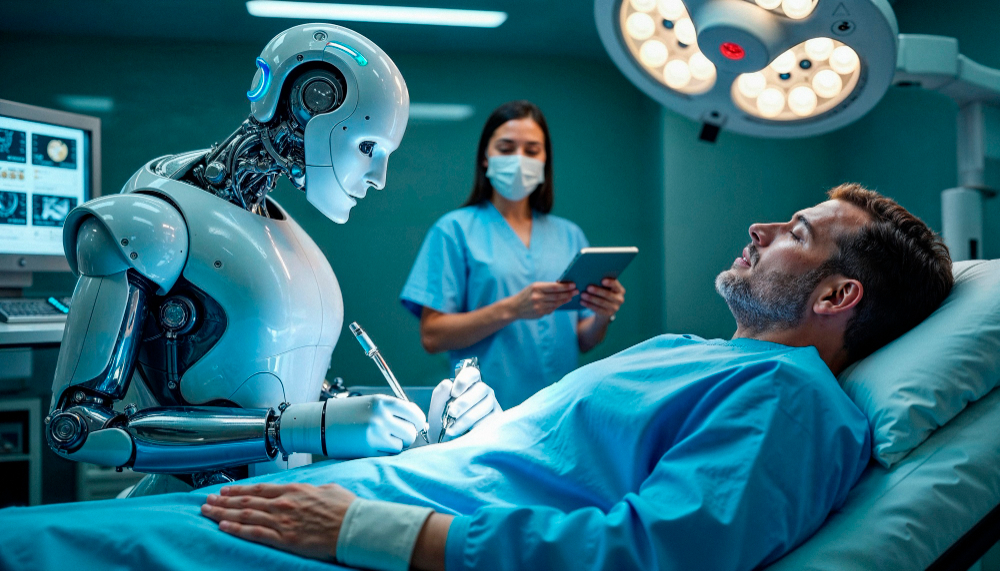
The future of medical diagnosis lies in collaboration between humans and AI. Rather than replacing doctors, AI serves as an intelligent assistant—enhancing their capabilities, reducing workload, and supporting better clinical decisions. As technologies mature, we can expect faster diagnostics, improved patient outcomes, and a more efficient healthcare system overall.
Conclusion
AI is no longer a futuristic concept—it’s a transformative force already redefining medical diagnosis. By integrating advanced data analysis, predictive modeling, and real-time monitoring, AI is empowering healthcare professionals to deliver more accurate, timely, and personalized care. As innovation continues, the synergy between human expertise and artificial intelligence will shape the future of medicine, making healthcare smarter, faster, and more accessible for everyone.





Leave a Reply