Introduction
In 2025, wearable health technology has evolved far beyond fitness trackers. What began as simple step counters has transformed into sophisticated biosensing systems that continuously monitor vital signs, detect diseases early, and even predict medical emergencies. From smartwatches that track heart rhythms to patches that analyze hydration and glucose levels, wearable devices are revolutionizing how we understand and manage our health—minute by minute, in real time.
1. The Rise of Real-Time Health Monitoring
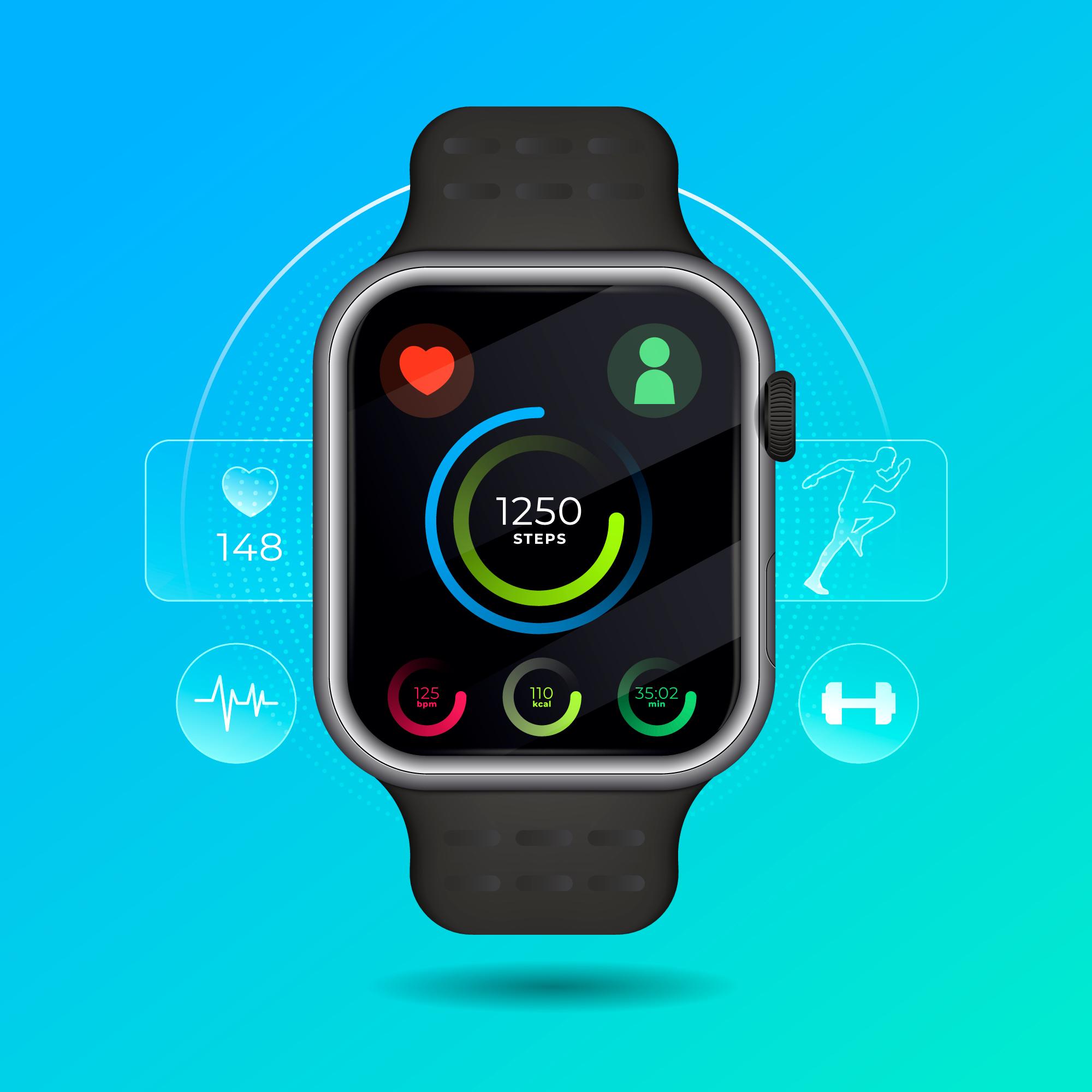
Wearables are no longer accessories; they’re personal health dashboards. These devices combine biosensors, AI algorithms, and wireless connectivity to collect and analyze biometric data.
- Smartwatches measure heart rate, oxygen saturation, sleep quality, and stress levels.
- Smart rings like the Oura Ring or Ultrahuman Ring track temperature, recovery, and readiness scores.
- Continuous glucose monitors (CGMs) provide diabetics—and increasingly fitness enthusiasts—with real-time blood sugar data.
- Smart patches monitor muscle fatigue, hydration, or medication delivery.
By integrating these metrics, users and doctors gain an unprecedented view of daily health trends and potential red flags.
2. Key Innovations in 2025
a. AI-Powered Predictive Analytics
The latest wearables don’t just measure—they interpret. Advanced AI models can now detect subtle physiological changes before symptoms appear.
For example, Apple, Samsung, and Fitbit are incorporating machine-learning tools that flag potential arrhythmias, sleep apnea, or respiratory distress days in advance.
b. Non-Invasive Biomarker Tracking
New biosensors use sweat, saliva, or optical signals instead of blood. Devices like Biolinq’s micro-sensor patch can analyze multiple biomarkers—including glucose, lactate, and electrolytes—without piercing the skin.
c. Integration with Healthcare Ecosystems
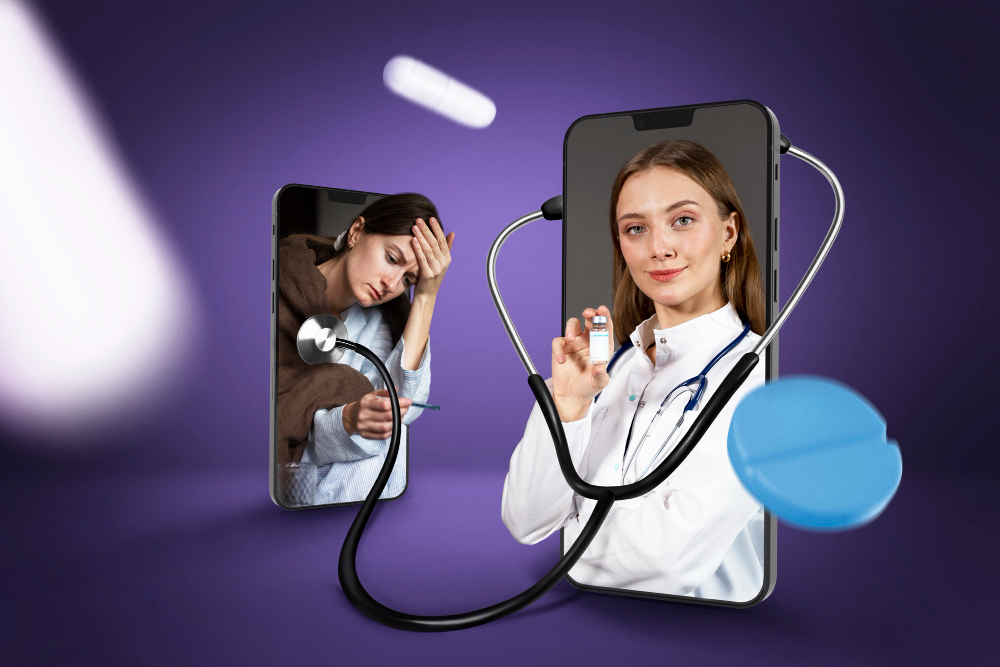
Wearables are increasingly connected to electronic health records (EHRs), enabling doctors to review patient data remotely. Hospitals use real-time wearable feeds to monitor post-surgery patients or those with chronic conditions from home—reducing readmissions and costs.
3. Benefits Beyond Fitness
Early Disease Detection
Wearables can alert users to abnormalities such as irregular heart rhythms, oxygen dips, or fever spikes—sometimes before users notice symptoms. During the COVID-19 pandemic, smartwatches even helped track viral spread through resting heart rate anomalies.
Chronic Disease Management
For patients with diabetes, hypertension, or heart disease, continuous monitoring provides actionable feedback. Wearables can automatically adjust insulin pumps or notify caregivers if readings move outside safe ranges.
Mental Health & Stress Monitoring
New models now measure heart rate variability (HRV), galvanic skin response, and cortisol levels, helping users manage stress and anxiety through biofeedback and mindfulness prompts.
4. The Role of AI and Cloud Connectivity
AI acts as the brain of modern wearables. It analyzes millions of data points to detect subtle patterns in your physiology. Cloud connectivity ensures that this data is processed instantly—providing real-time insights, personalized recommendations, and even emergency alerts.
For instance, AI-driven algorithms can distinguish between normal heart rate fluctuations during exercise and dangerous arrhythmias that warrant medical attention.
5. Challenges and Ethical Considerations
Despite their promise, wearables raise serious concerns:
- Data privacy: Sensitive health data stored in the cloud could be misused or hacked.
- Accuracy and calibration: Consumer-grade devices can vary in reliability, potentially leading to false reassurance or unnecessary panic.
- Over-reliance: Constant health tracking can cause anxiety or “data fatigue” among users.
- Regulation: As these devices edge closer to medical-grade diagnostics, oversight from agencies like the FDA or EMA is becoming crucial.
6. The Future: Toward the “Invisible Doctor”
The next generation of wearables will blend seamlessly into our daily lives—smart textiles, implantable sensors, and earbuds that measure brain activity are already in development.
We’re entering an era of ambient health monitoring, where your body constantly communicates with your healthcare providers and digital assistants. Imagine clothing that tracks hydration and fatigue during workouts, or contact lenses that measure blood glucose through tears.
These innovations point to a future where medical intervention happens before illness takes hold.
Conclusion
Wearable health technology is redefining the relationship between people and their health. By turning passive observation into active prevention, these gadgets empower individuals to take charge of their well-being like never before.
As sensors become more precise, AI more intuitive, and data more integrated, wearables will continue to move from novelty items to essential healthcare tools—ushering in a new age of real-time, personalized, and predictive medicine.
Would you like me to turn this into a magazine-style article with visuals and subhead formatting, or a shorter blog post optimized for online audiences (SEO keywords like “wearable tech 2025,” “real-time health monitoring,” etc.)?
ChatGPT can make mistakes. Check importan







Leave a Reply